
Fundraising for Small Nonprofits: A Development Director's Guide
When you are the whole development department, the loudest task wins every week and the quiet work that grows giving slides to the bottom. Here is how a one-person shop can run three plays well, protect the hours that make the money, and borrow capacity from a board.
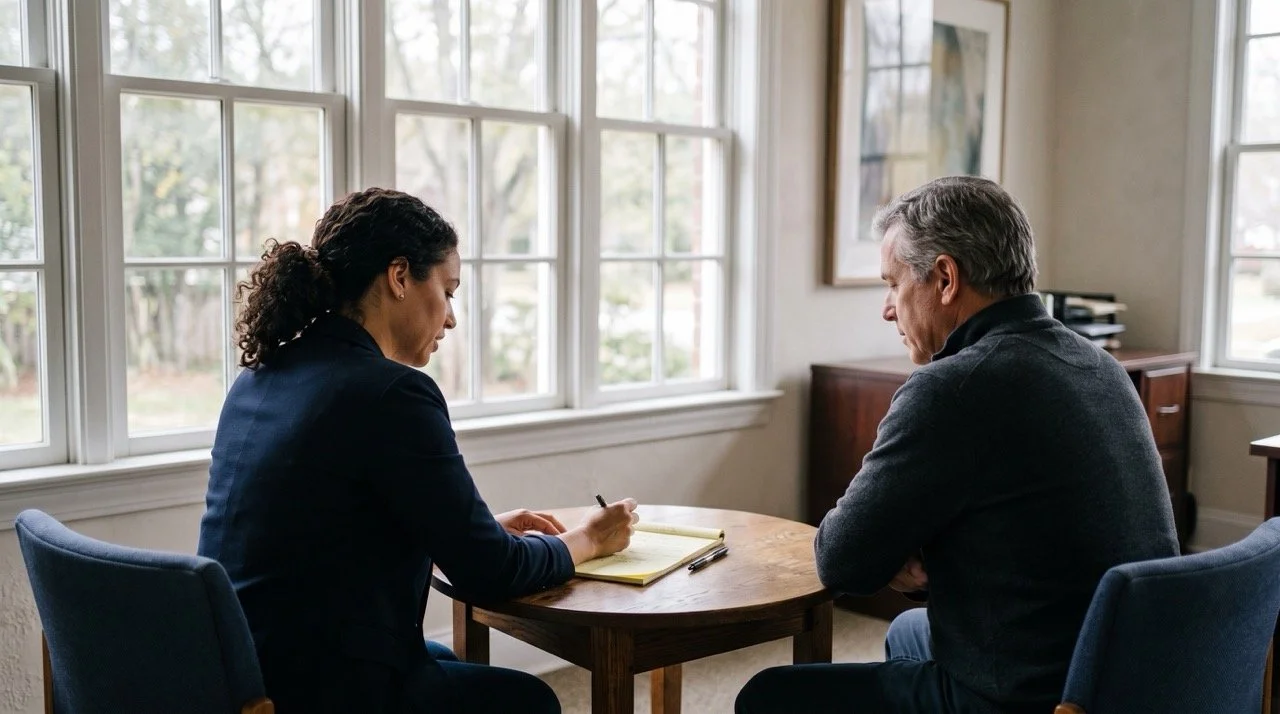
Board Fundraising Training: Preparing Your Board for Donor Conversations
A board member finally agrees to a donor conversation, and it goes nowhere — not from nerve, but because nobody ever taught her what to say. Here is what board fundraising training actually needs to cover, and how to run it as practice instead of a one-time lecture before a campaign.

How to Ask Your Board for Introductions (and Actually Get Them)
You say it at the end of every board meeting — take a look at your contacts and think about who might be a good fit for us. Heads nod, nobody sends a name, and you say it again next month. Here is how to replace that sentence with one name, one specific next step, and a draft email your board member can forward from a parking lot.

How to Recruit Board Members Who Will Actually Help You Fundraise
Most boards get filled rather than recruited. Two names three weeks before the slate is due, both from the same small circle, neither one ever told that fundraising was part of the job. Here is how to name the work first, put the expectation in writing, and cultivate board prospects the way you already cultivate donors.

Board Fundraising: How to Get Your Board Actually Raising Money
Almost every board agrees it should do more fundraising, and almost none of them do. Willingness is rarely the missing piece — "be more involved in fundraising" is simply not a job anyone can do on a Tuesday. Here is the menu of work board members are actually good at, and how to assign it so it happens.

What Your Donors Would Tell You If You Asked: Running a Donor Survey
Most development offices settle their longest-running arguments by seniority rather than evidence, and the guessing is measurably wrong. Here are the five questions worth asking your donors, how to send a survey without a budget, and the step almost every shop skips once the answers come back.

The Thank-You Letter Most Nonprofits Get Wrong
The acknowledgment is the one piece of mail a donor is almost certain to open, and most of us fill it with tax language and a signature scanned in two directors ago. Here is what belongs in it instead, where the receipt should live, and the 48-hour standard that changes a donor's first year.

Donor Communications: How to Build a Plan That Keeps Donors Giving
Most development offices have an appeal calendar and call it a communications plan. The difference shows up in the quiet stretches between the asks, where donors quietly decide whether they are staying. Here is the one-page plan that governs everything a donor hears from you across a year.

How to Run a Giving Day or Crowdfunding Campaign That Actually Works
The disappointing giving day and the successful one look almost identical on the day itself. Same countdown graphics, same emails, same push at 8 p.m. The difference was settled weeks earlier — in the match, the pre-committed gifts, and the follow-up nobody outside the office ever sees.

Social Media Fundraising That Is Worth Your Time
The average nonprofit Facebook page has 53,000 followers, and roughly 1,200 of them see any given post. Social media does real work for a development office, just not the work most boards assume. Here is what the 2026 data shows, and a two-platform plan a small shop can keep.

Peer-to-Peer Fundraising: How to Get Your Supporters to Raise Money for You
There is a group of people who would give to your organization tomorrow, and you will never reach them — but your board treasurer can. Peer-to-peer fundraising scales with the number of people asking. Here is what the 2025 data shows, and how a small shop runs it without an events team.

How to Fix Your Donation Page (and Stop Losing Gifts at Checkout)
Roughly nine out of ten people who reach your donation page leave without giving — not because they changed their mind, but because the form got in the way. Here is where donors actually quit at checkout, what the 2026 benchmarks show, and four fixes you can make this week without a redesign.

Online Fundraising for Nonprofits: A Development Director's Guide
Online revenue rose 15% last year, and 37% of it landed in December. Yet only 1.6% of nonprofit website visitors ever give, and mobile donors convert at 8%. Here is a plain look at what is working in online fundraising right now, where the money leaks, and the two streams worth building first.

Building Real Relationships With Foundation Program Officers
On the other side of every grant application is a person with a name, a budget, and a real interest in funding good work. Cold applications win about 15% of the time; applications from funders who already know you win closer to 80%. Here is how to build a genuine relationship with a program officer — before you apply and long after the decision.

How to Research and Find the Right Grant Funders for Your Nonprofit
Most grant searches start with a deadline and a search engine, and it feels like throwing darts in the dark. The biggest lever on whether a grant gets funded is not the writing — it is whether you found the right funder first. Here is how to research funders whose money already flows toward your issue, your place, and your size of ask.

Grant Writing for Nonprofits: A Development Director's Guide to Winning Proposals
The organizations that win grants are rarely better writers — they are better matched. The average proposal succeeds around 15% of the time, but applications to existing funders hit 80%. Here is what I've learned about where grant success actually comes from, and how to tilt the odds before you write a word.

Employee and Workplace Giving Programs: A Development Director's Guide
Your donors work for companies that have already funded ways to help them give more — payroll giving, volunteer grants, employee giving campaigns — and most small shops never tap it. Here is what I have learned about workplace giving: the programs under the umbrella, why employees and employers both want them, and how a one-person shop can start claiming its share this month.

Matching Gifts: The Fundraising Money Most Nonprofits Leave on the Table
A donor gives you $200. Her employer would have matched it — but no one asked, so the second $200 never comes. Here is what I have learned about matching gifts: why billions go unclaimed every year, why they are the easiest money you are not raising, and the simple habits a small shop can use to start claiming their share this month.

Writing a Corporate Sponsorship Proposal That Gets a Yes
Most sponsorship proposals open with the nonprofit's funding gap and a Gold/Silver/Bronze menu — and land on the desk of a marketing director asking a different question: what does my company get? Here is what I have learned about writing a proposal built around the sponsor, backed by real numbers, that makes the yes easy to give.

How to Find and Win Corporate Sponsors (Even as a Small Shop)
Corporate sponsors can feel like they are only for the big organizations with a partnerships officer and a glossy deck. They are not. Here is what I have learned about finding and winning corporate sponsors as a small shop: where the right companies actually are, the homework that beats a generic letter, and how to turn a first yes into a partner who stays.